“They’re rich. They’re cocky. And they risk their lives every time they get behind the wheel.”
That’s the now iconic logline that introduced Formula 1: Drive to Survive to the world, a Netflix series that redefined how we see the sport. If you’re reading this, chances are, you’re one of the millions who got hooked because of it.
Produced by James Gay-Rees, Drive to Survive was the first series to take fans inside the F1 paddock, peeling back the curtain on a world of speed, strategy, and scandal. It wasn’t just a documentary; it was a drama-filled, high-octane soap opera disguised as sports television. But was DTS truly the saviour of F1? Or was it simply one piece of a much larger puzzle that revived a struggling sport?
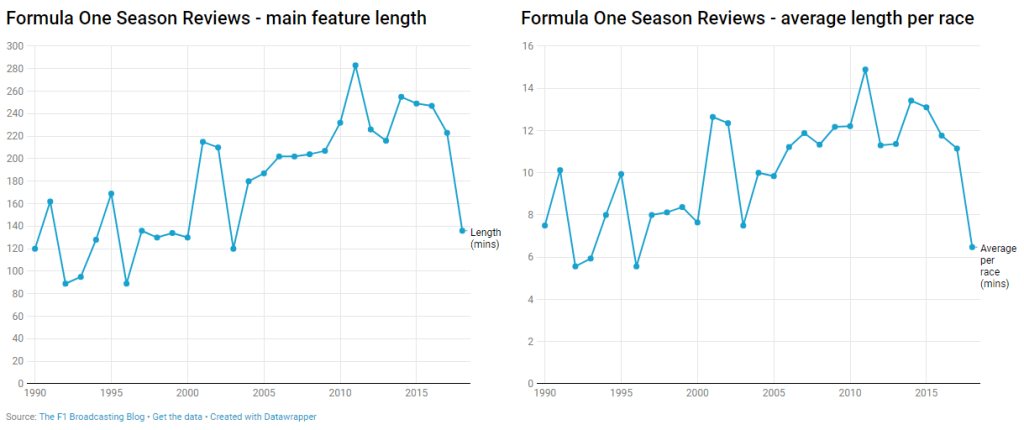
Let’s rewind to the late 2000s and early 2010s. F1 was in trouble. The sport was haemorrhaging viewers, particularly in key markets like Europe and America. Between 2008 and 2016, global viewership plummeted from 600 million to 400 million. Why? A perfect storm of issues:
- Paywalls killed accessibility – Key broadcasters like Sky Sports and Canal+ locked F1 behind expensive subscriptions, making it harder for casual fans to tune in. Imagine explaining to your parents that you need a £100-a-month cable package just to watch 20 cars go around in circles.
- Mercedes dominance sucked the excitement out – From 2014 to 2020, Mercedes was virtually untouchable, winning race after race with little competition. Why watch a race when you already know the outcome?
- The financial gap was out of control – The top three teams—Mercedes, Ferrari, and Red Bull, spent obscene amounts of money, while smaller teams couldn’t keep up. Without a cost cap, the race was done before the lights even went out. At one point, Haas had a smaller budget than a Formula 2 team. And it showed.
By the mid-2010s, F1 was losing relevance, its audience skewing older, wealthier, and increasingly disinterested. Something needed to change.
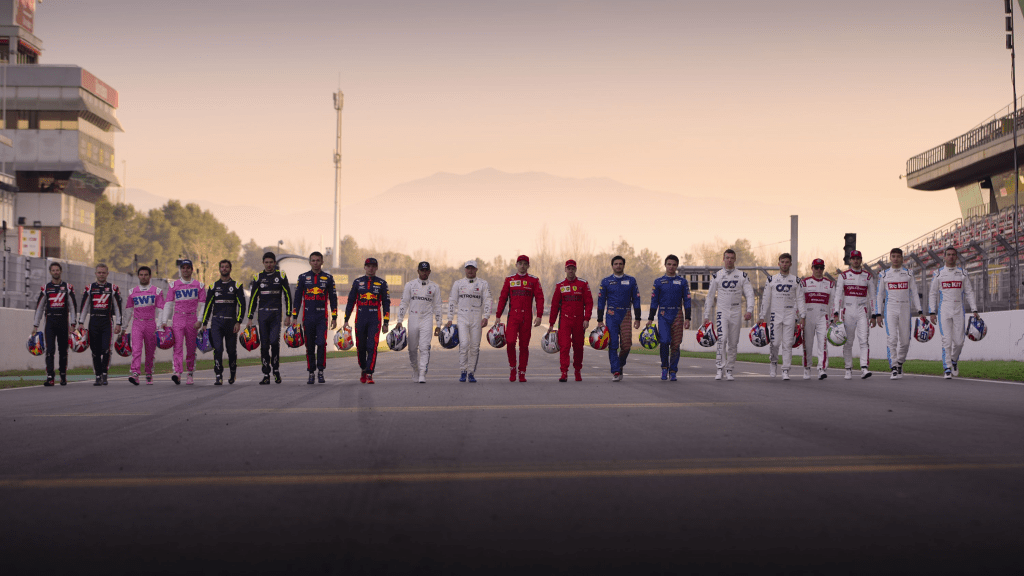
Then, in 2019, Netflix dropped Drive to Survive, and suddenly, everything changed. Nobody expected it to explode the way it did, but from day one, it was clear, this was the documentary-turned-drama series nobody knew they needed. Sure, DTS made hardcore fans sceptical (was it real or just Hollywood magic?), but there was no denying its impact. F1’s social media following grew by 30% year-on-year, and by 2023, the sport had a global fanbase of 826.5 million.
But the biggest win? It finally cracked America.
Before Drive to Survive, F1 barely registered in the U.S. The only American race, the U.S. Grand Prix, had a meagre 500,000 viewers, laughable compared to NASCAR or the NFL. But after DTS, F1 surged in popularity:
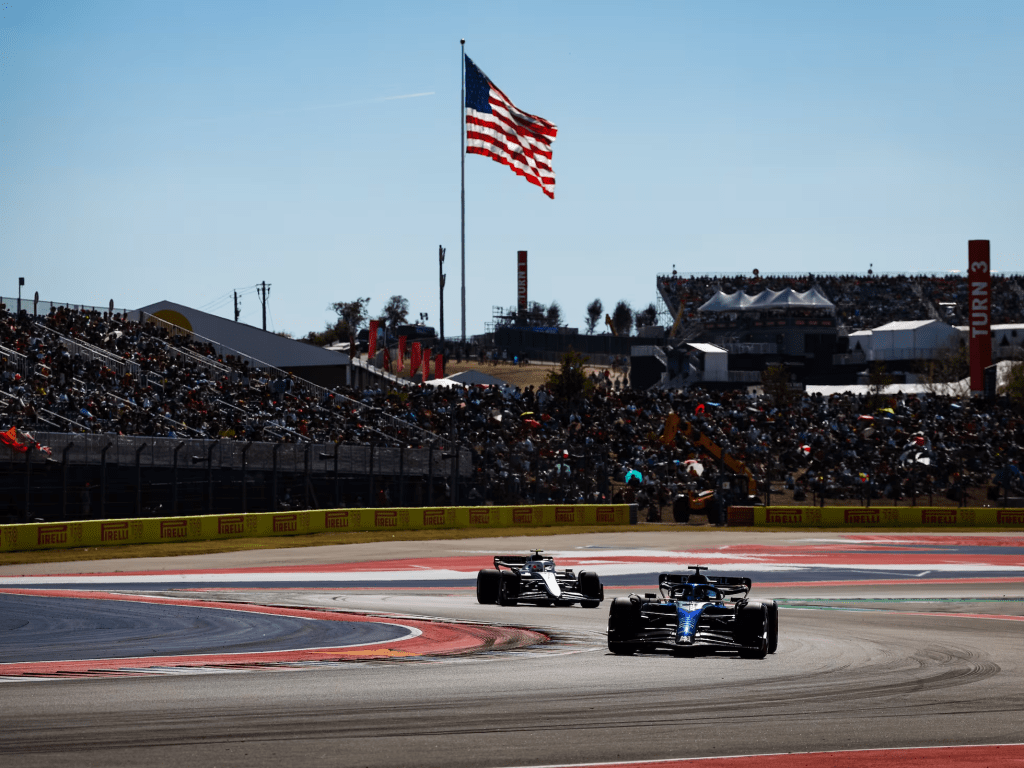
- 26 million Americans were introduced to the sport through the show.
- ESPN’s average race viewership doubled from 554,000 (2018) to over 1 million (2022).
- The 2023 Miami Grand Prix hit 2.1 million viewers, a record-breaking number for F1 in the U.S.
- Now, America doesn’t just have one race, it has three: Austin, Miami, and the spectacle of Las Vegas.
Drive to Survive didn’t just introduce new fans, it made F1 drivers household names. Suddenly, people who had never watched a race in their lives knew who Daniel Ricciardo was. Guenther Steiner became a meme sensation, and teams leaned into the hype, embracing a younger, social media based audience.
Of course, not everyone was thrilled. The influx of new fans meant more exposure, but it also meant the sport’s integrity came into question. The show faces many complaints, not just from fans, but also from the teams and drivers themselves! Max Verstappen refused to participate for years, calling it fake and saying Netflix “manufactures rivalries that don’t exist.” Lando Norris criticized their editing, claiming the show twisted his words to create drama where there was none.
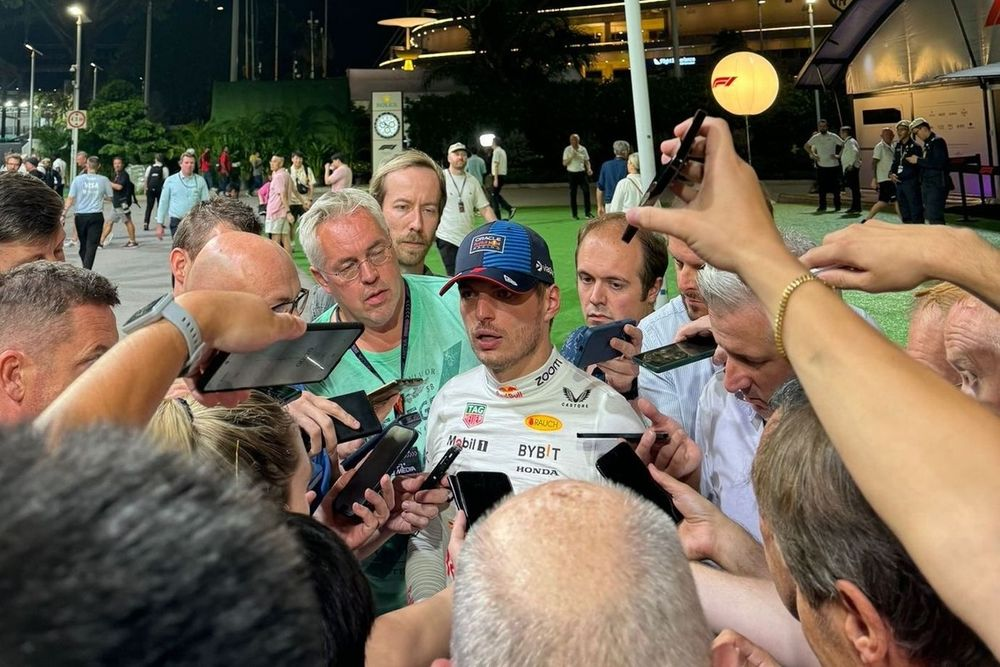
Some fans worry F1 is becoming more about the gossip and spectacle than the actual racing. There’s also the question of whether the sport itself has changed to fit the Drive to Survive narrative. Are decisions now made with entertainment value in mind rather than pure racing? Has F1 become more of a reality show than a sport? If we ever see a mid-race confessional like it’s The Bachelor, we’ll know it’s gone too far.
While Drive to Survive played a massive role, it wasn’t the only reason for F1’s resurgence. When Liberty Media bought F1 from Bernie Ecclestone in 2017, they modernized the sport by:
- Loosening social media restrictions, allowing teams to post behind-the-scenes content.
- Focusing on fan engagement, making the sport more interactive and accessible.
- Improving marketing strategies, helping F1 reach younger demographics.
- Encouraging new FIA regulations, the 2021 cost cap and 2022 aerodynamic changes helped level the playing field, bringing more competition and reducing the gap between big and small teams.
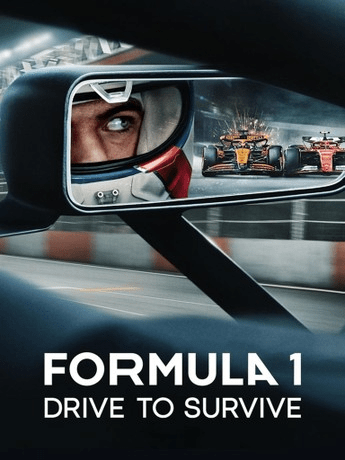
So, Did Drive to Survive Save F1? The answer? Yes… but not alone. Drive to Survive revitalized interest, introduced millions of new fans, and reshaped the sport’s image, but F1’s resurgence was also due to smart leadership, better accessibility, and a much-needed shake-up in competition. But at what cost? While F1 is thriving in ways it hasn’t in decades, some argue the soul of the sport is being diluted, sacrificed for Netflix-fuelled entertainment value. So, was Drive to Survive the hero F1 needed? Or was it just a well-timed piece of the puzzle?
Either way, one thing’s for sure—F1 is back. And love it or hate it, Drive to Survive was a key player in the comeback.
See you trackside!
sources:
 Trackside Talk