It’s Saturday night in Las Vegas. The Strip, usually a neon blur of Elvis impersonators, roulette wheels, and stag parties, is humming with a different kind of energy. Instead of slot machines, it’s the roar of engines bouncing off casino walls. Martin Brundle is trying (and failing) to corral A-list celebrities for grid walk interviews, champagne is flowing, and Brad Pitt is shooting scenes for his upcoming F1 movie on the pit wall. And the world’s eyes are locked on the tarmac. Welcome to the new American era of Formula 1.
/cdn.vox-cdn.com/uploads/chorus_image/image/73645416/Las_Vegas_GP_2.0.jpeg)
The Las Vegas Grand Prix, the flashiest and, arguably, the most anticipated weekend of the race calendar would never have had even a moment of consideration just ten years ago. Formula 1 had a pitiful number of viewers in America and was seen as a sort of ‘European oddity’ like having different coffees at different times of the day. But today? Viewership is at an all-time high, there are three Grand Prix’s in America and social media is ablaze with memes of the drivers and team principles (I’m looking at you Guenther Steiner). With all of this change, one can’t help beg the question, what does America’s newfound infatuation with F1 mean for the sport?
Historically, F1 has struggled to make an impact in the U.S. Early attempts to bring the sport stateside, with Grands Prix in Dallas, Phoenix, and Indianapolis, never quite took off. Cultural differences, time zones, and a crowded American sports market all played a part. By the 2010s, the only U.S. race was the Austin Grand Prix, and it was pulling a modest half-million viewers at best.
Then came the game-changer: Liberty Media. When the Colorado-based company bought Formula 1 in 2017, it set out with a clear goal, modernize and globalize. Liberty Media wanted to reach younger audiences that the sport had long ignored under Bernie Ecclestone’s reign. They brought in a new vision: sleek marketing, broader access, and a sprinkle of Hollywood.
Netflix’s Drive to Survive hit screens in 2019 and changed everything. It transformed what was once seen as a stoic European motorsport into a drama-filled, binge-worthy docuseries that hooked a whole new demographic. Suddenly, rivalries weren’t just team politics, they were cliffhangers. Pit wall decisions became high-stakes plot twists. And team principals? Bonafide stars.
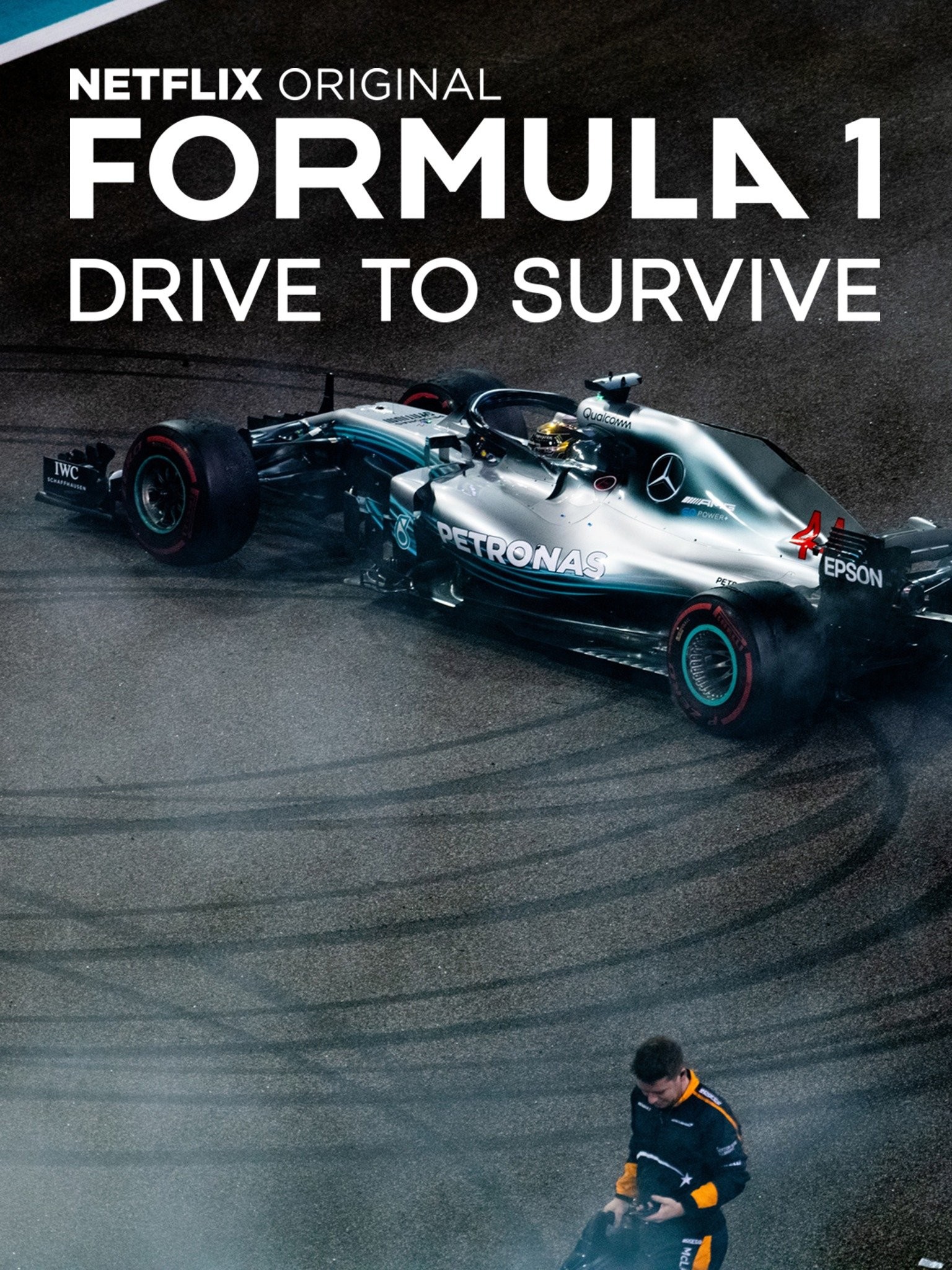
According to a 2022 Morning Consult survey, nearly 30% of U.S. F1 fans credit Drive to Survive as the reason they started watching. Viewership in the U.S. has jumped by over 40% since the show’s debut. The global fan base has ballooned to an estimated 750 million. The demographic has shifted, too, the average viewing age now sits between 32 and 36, and interest among women has doubled. Liberty Media understood the assignment. They gave fans what they wanted: drama, access, and connection.
What followed was a masterclass in sports marketing. Teams like Mercedes, McLaren, and Haas embraced social media, memes, and YouTube content. Paddock access opened up. Drivers became influencers. Suddenly, F1 wasn’t just a sport, it was a lifestyle.
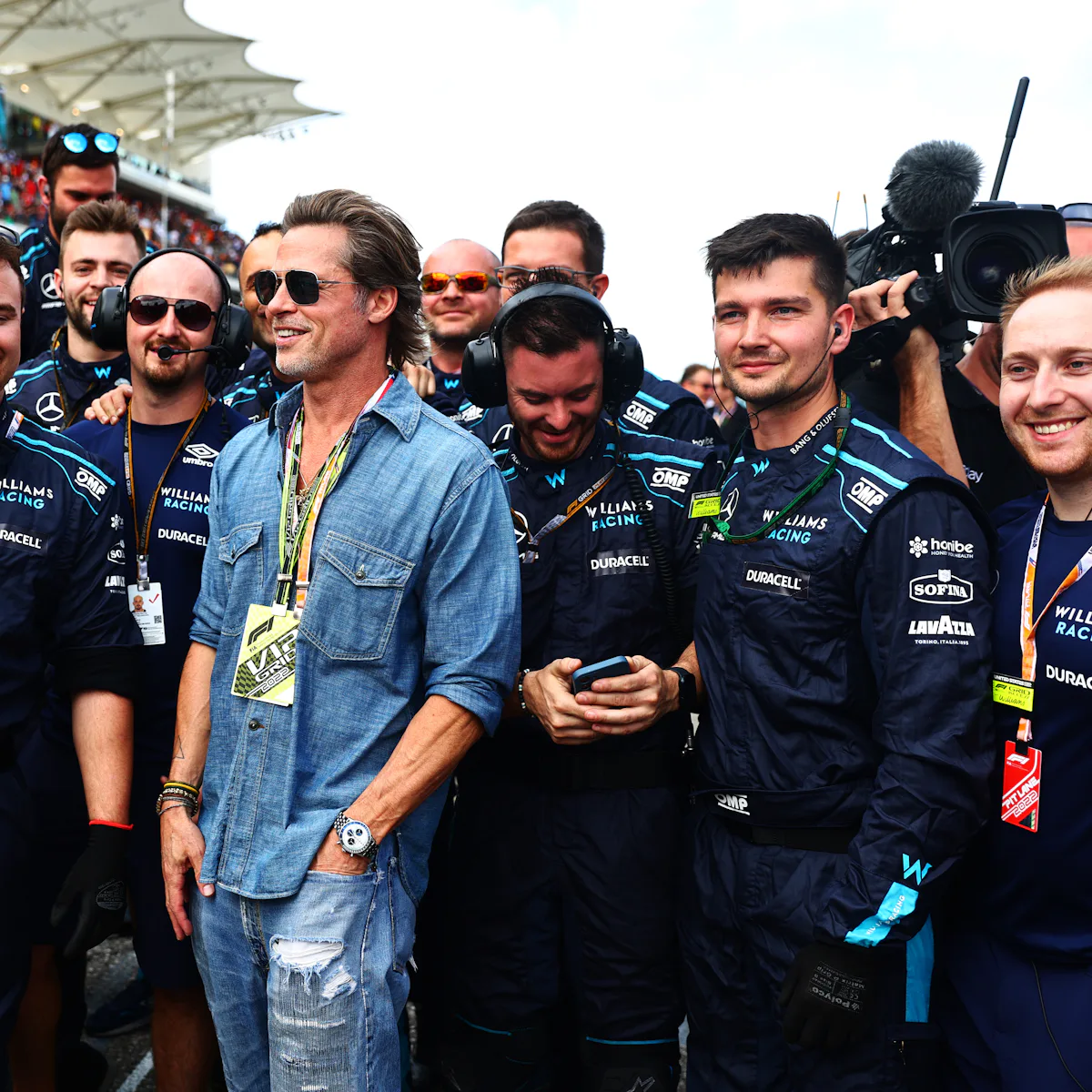
The Las Vegas Grand Prix was the epitome of this transformation. With over 60 A-list celebrities in attendance, it looked more like the Met Gala than a race weekend. Martin Brundle’s grid walk became a viral comedy of errors. Brad Pitt’s film crew mingled with engineers and stewards. TikToks and Instagram stories flew faster than the cars. It was entertainment. It was America. And it was working.
America’s love for F1 has had a tangible economic impact. From a single U.S. race in Austin, the calendar now includes Miami and Las Vegas. The Vegas GP alone was projected to generate $1.3 billion in local revenue, with packed grandstands, VIP packages, and global broadcast deals. Sponsors followed suit. American brands now adorn many team liveries, Google and Oracle with McLaren and Red Bull, MoneyGram with Haas. The influx of U.S. dollars is reshaping the financial landscape of F1, making it more commercially robust and globally attractive. While exact media personnel numbers aren’t public, the demand for coverage has surged. Accredited journalists, digital creators, and influencers now crowd the paddock alongside traditional broadcasters, reflecting the new media ecosystem surrounding the sport.
Of course, not everyone is cheering. Purists and long-time European fans worry that F1 is trading heritage for hype. They point to concerns over time zones making it difficult to follow races live, especially with so many now tailored to American prime time. Others feel the sport is prioritizing spectacle over substance, with showbiz starting to eclipse strategy.
There’s also growing scepticism about race decisions being made with entertainment value in mind rather than fairness or competition. Is the sport becoming scripted? Is this just motorsport’s version of reality TV?
These are valid concerns. As F1 chases newer, younger, flashier audiences, it must be careful not to alienate the loyal base that carried it for decades.
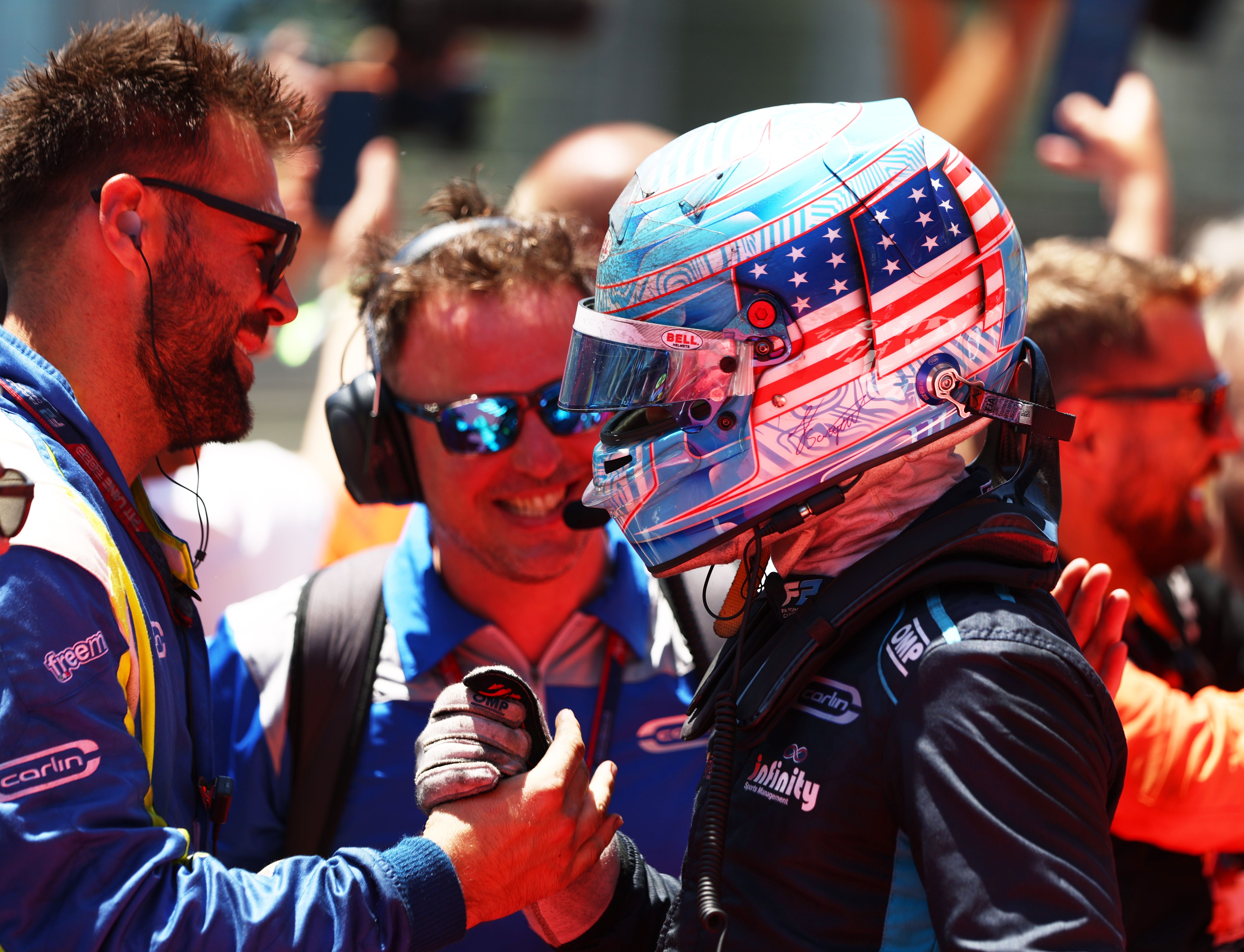
If current trends continue, we could see a lot more American influence on F1. More kids getting into karting. More U.S. drivers climbing the ranks like Logan Sargeant (with hopefully less crashes). There may also be changes to the race schedule or broadcast times to better suit American fans. U.S.-based networks like ESPN might gain more control over rights and coverage. Expect even more high-tech fan engagement, too, VR simulators, AR data overlays, and digital interactivity from Silicon Valley could redefine how fans experience the sport.
And the ripple effect could go global. America’s boost in visibility might draw more attention to F1 in underrepresented regions like Southeast Asia, South America, and Africa. If the U.S. blueprint works, the next decade could see F1 racing toward a truly global future.
America’s influence on Formula 1 is undeniable. Culturally, commercially, and competitively, the U.S. has helped turn the sport into a worldwide phenomenon. Three races, celebrity-packed paddocks, a Netflix smash hit, and billions in new revenue have propelled F1 into a new orbit.
But will the glitz overpower the grit? Can racing stay at the heart of the show?
For now, the American impact has been overwhelmingly positive. But as the sport continues to grow, the balance between entertainment and engineering will be key.
Let me know your thoughts in the comments below.
See you Trackside!
 Trackside Talk